CAMBRIDGE ENGLISH LEADERSHIP CONFERENCE HIGHER EDUCATION (CELC–HE)
| Event | Cambridge English Leadership Conference – Higher Education (CELC–HE) |
| Organised by | Cambridge English |
| Date | 17 September 2026 |
| Venue | Chennai –Residency Towers |
| Participant(s) | Sheema Sakthivel,Dr.Sonu Joseph |
| Purpose | Professional learning, engagement and exchange of ideas relating to English language assessment and higher education |
Event Overview
The Cambridge English Leadership Conference – Higher Education (CELC–HE) was conducted in Chennai on 17 September 2026. The conference brought together education leaders, academics and English-language assessment stakeholders to discuss the role of English-language skills and assessment in supporting learner progression, employability and institutional quality within higher education. The event offered participants an opportunity to engage with current perspectives, share experiences and consider practical approaches to strengthening English-language development in academic and professional contexts.
Objectives
- To understand current developments and perspectives in English-language learning, teaching and assessment in higher education.
- To explore the role of English-language proficiency in student academic success, progression and employability.
- To gain insights into Cambridge English assessment solutions and their relevance to higher education institutions.
- To exchange ideas and good practices with education leaders and representatives from other institutions.
- To identify possible strategies for strengthening English-language support and assessment practices within the institution.
Session Highlights
Panel Discussion Information
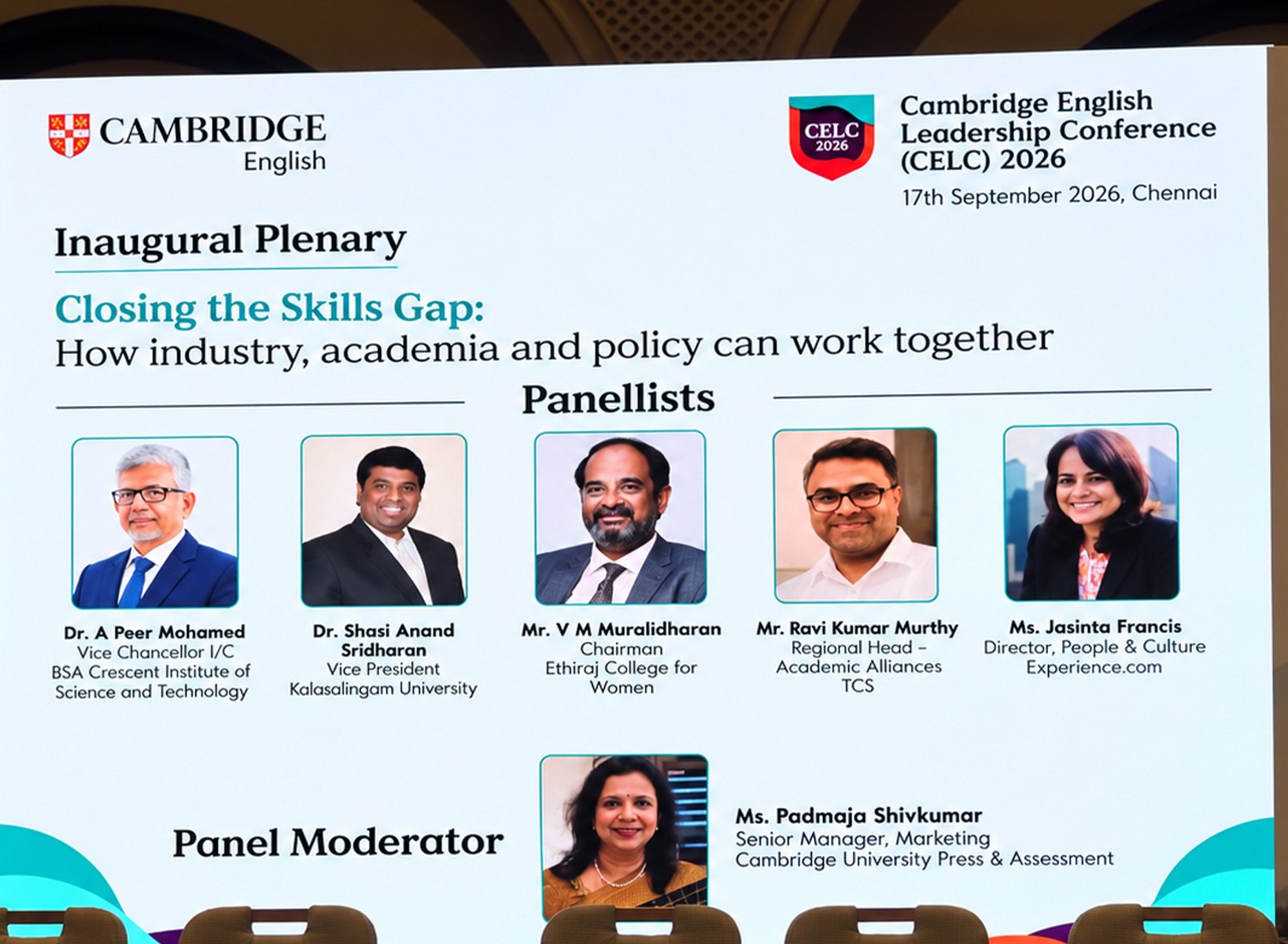
An Inaugural Plenary at the Cambridge English Leadership Conference (CELC) 2026 “Closing the Skills Gap: How Industry, Academia and Policy Can Work Together”
The discussion focused on the need for stronger collaboration among educational institutions, employers and policymakers to ensure that students develop the knowledge, skills and competencies required for higher education, employment and future careers.
- Aligning academic programmes with changing industry expectations.
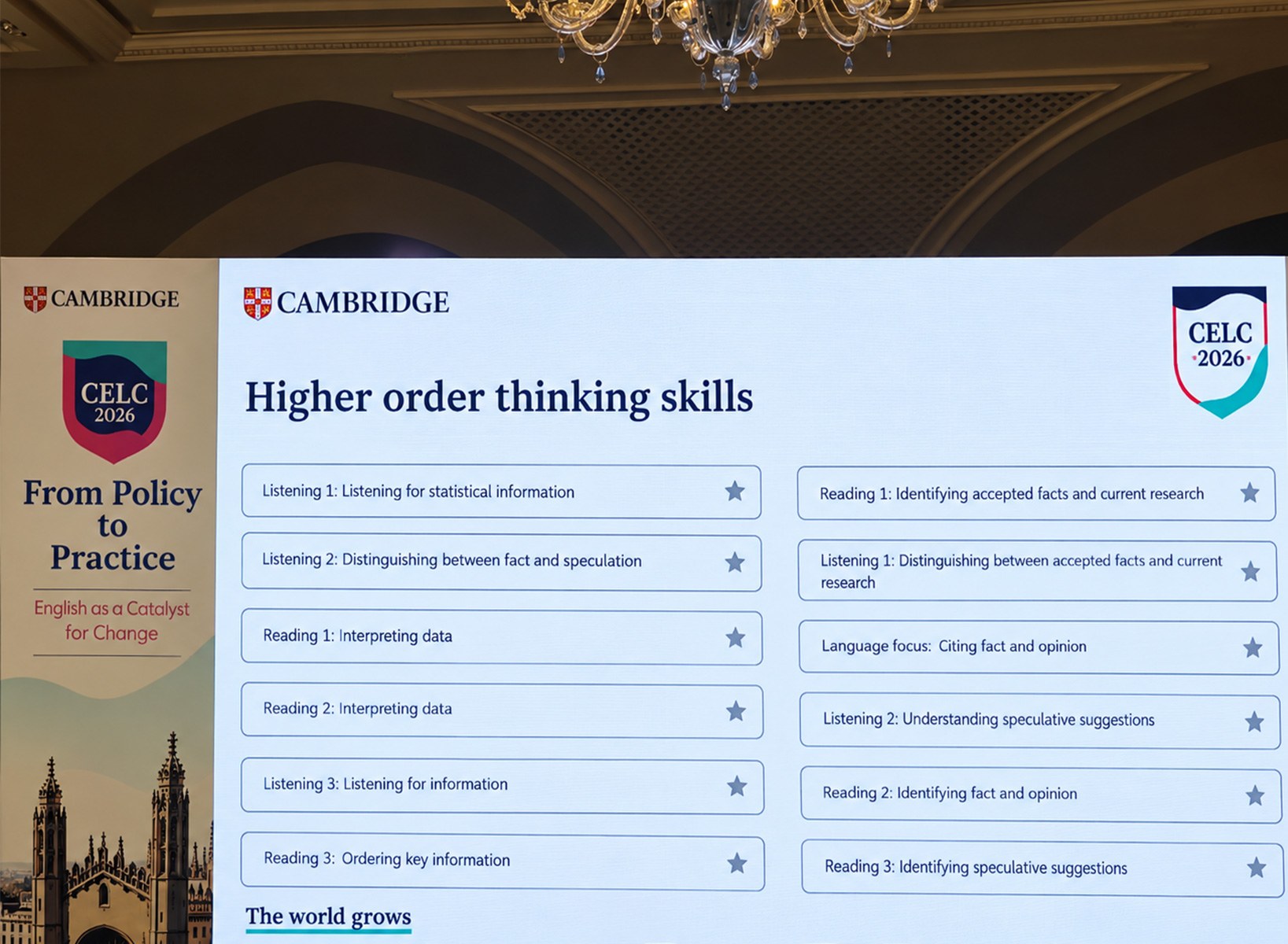
- Strengthening communication, digital literacy, critical thinking and problem-solving skills.
- Ensuring that students develop practical and transferable competencies, not only subject knowledge.
- Improving collaboration between universities, employers and policymakers.
- Providing students with exposure to workplace expectations and real-world projects.
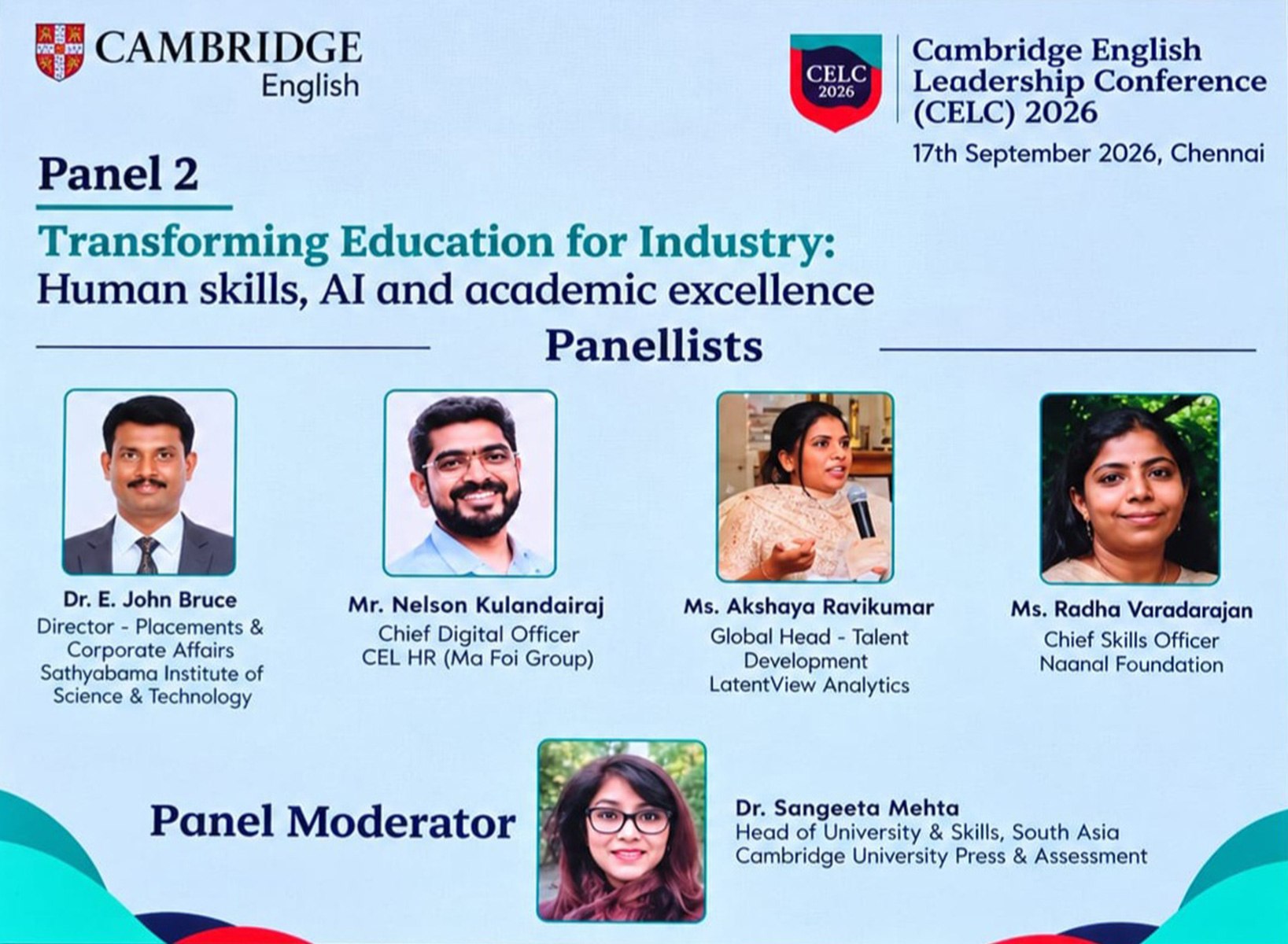
“Transforming for the Education Industry: Human Skills, AI and Academic Excellence”
Explored how education must combine strong academic learning with human-centred competencies and responsible use of artificial intelligence. The central message was that AI can enhance learning, but it cannot replace human judgment, empathy, creativity, ethical decision-making or meaningful collaboration.
The session reinforced the need for institutions to develop students’ communication, critical thinking, empathy, adaptability and problem-solving skills alongside academic knowledge.
- It also highlighted the importance of evolving assessment practices to value authentic learning, reflection, projects, presentations and the process through which students develop ideas.
- Responsible AI use , digital literacy and academic integrity were identified as essential priorities for education institutions
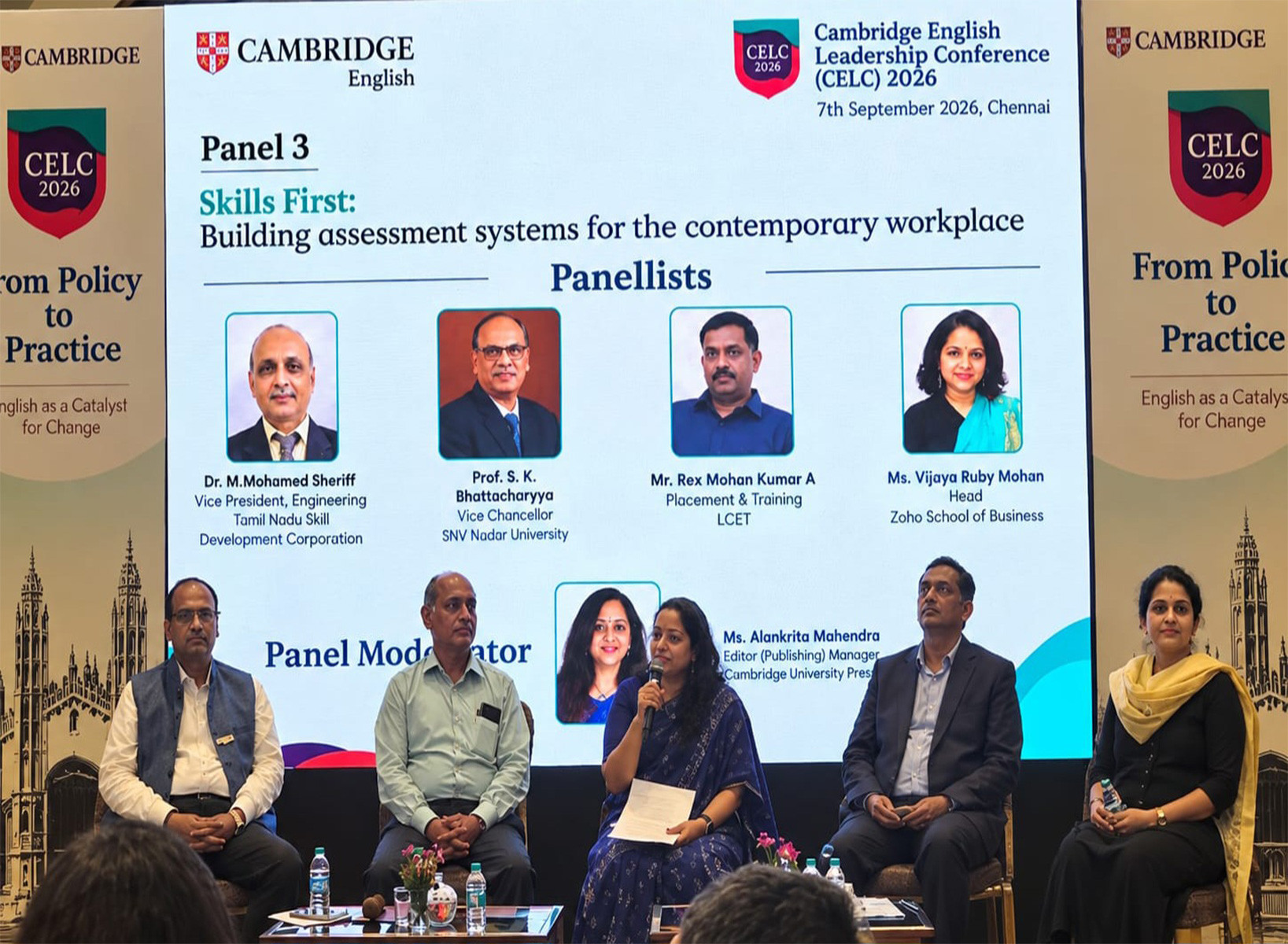
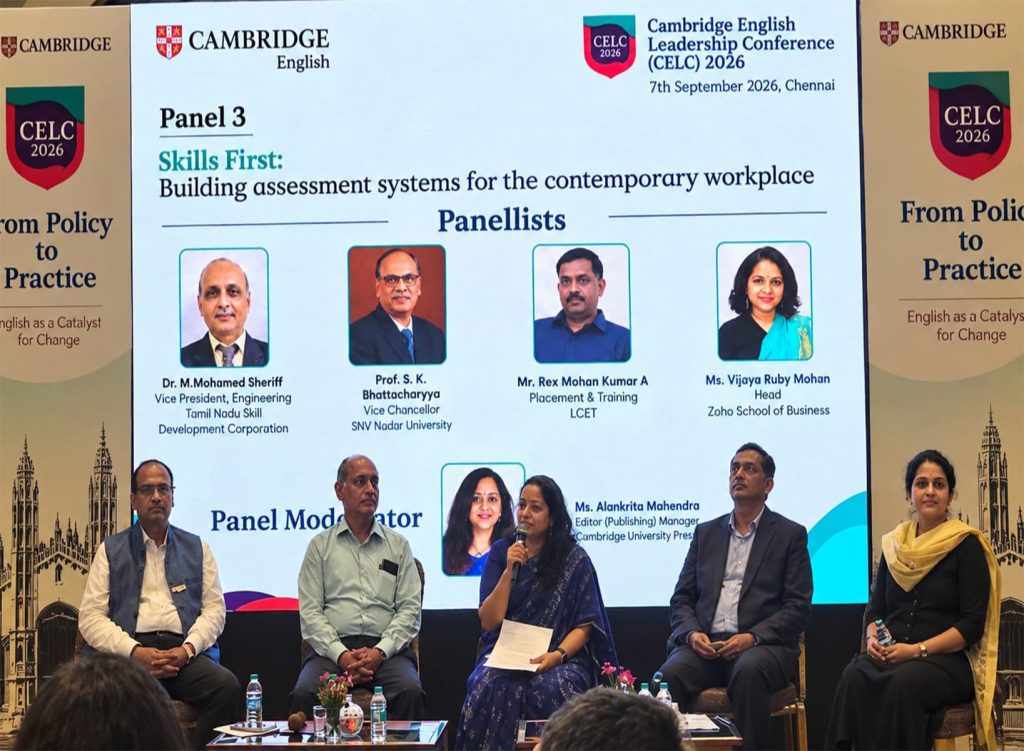
“Building Assessment Systems for the Contemporary Workplace”
Highlighted the need for assessment methods that measure whether learners can apply their knowledge in practical, professional situations—not only reproduce information in written examinations.
- Assessment should evaluate what learners can do with their learning, including communication, collaboration, problem-solving, critical thinking, adaptability and digital competence.
- Traditional written examinations remain useful, but they should be complemented by authentic assessment methods such as projects, portfolios, presentations, simulations, case studies, internships and workplace-based tasks.
- Collaboration between educational institutions and industry is important to ensure that assessment tasks reflect real workplace expectations and emerging employment needs.
- Digital assessment tools can help track learner progress, provide timely feedback and build student familiarity with technology-enabled workplace practices.
Outcomes
- English-language proficiency is an important enabler of academic participation, learner confidence and employability.
- A clear understanding of students’ current proficiency levels can support effective planning, placement and targeted skill development.
- Assessment data should be used constructively to identify learning gaps, monitor progress and inform interventions.
- English-language development is most effective when integrated with academic learning, communication practice and real-world application.
- Collaboration among academic departments, language teachers and assessment partners can strengthen institutional language-support systems.
The learning from the event may be used to review existing English-language programmes, identify student-development needs and plan initiatives that enhance academic readiness, communication skills and employability outcomes.
Conclusion
The CELC–HE conference was a valuable professional-learning opportunity that provided insights into the role of English-language learning and assessment in higher education. The discussions highlighted the importance of evidence-based language support, effective assessment practices and institutional collaboration in helping students develop the communication skills needed for academic progression and future employment. The programme will support the institution in planning relevant English-language development initiatives for its students.