Country Presentation- Japan
Summary of the Session:
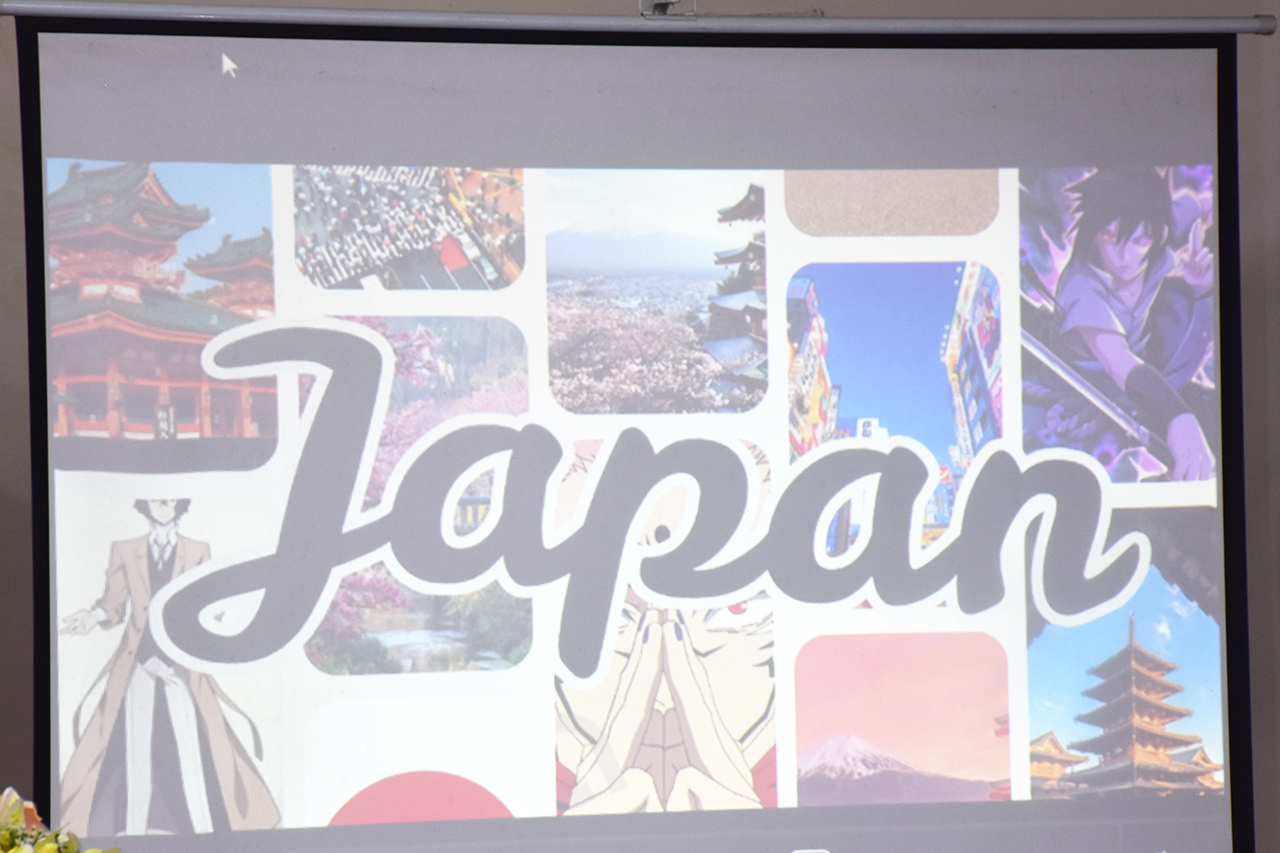
A country presentation on Japan was conducted as part of the Grade 6 learning activities. The event showcased well-researched topics presented by the students, highlighting Japan’s geography, history, culture, economy, governance, and tourism.
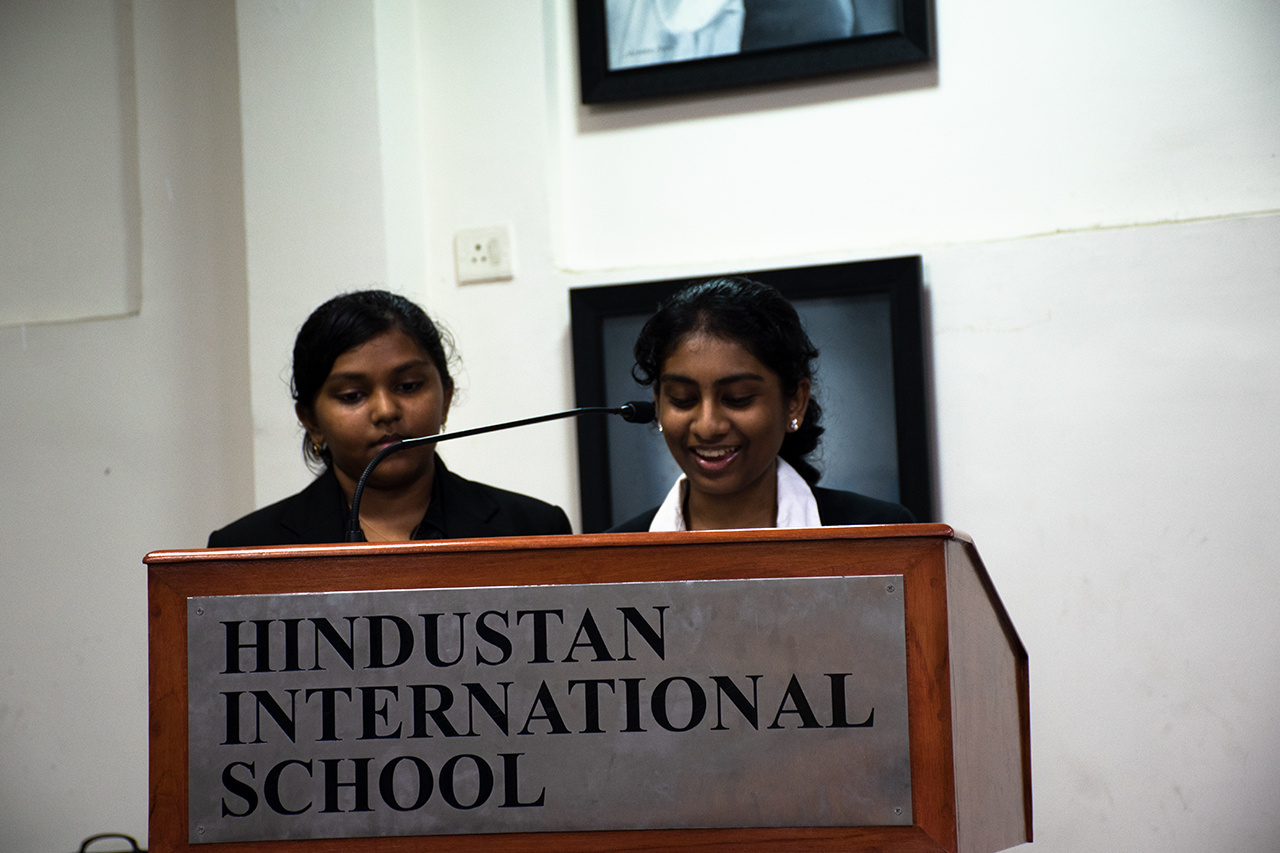
The session began with a warm introduction by Anjana and Tharika, who welcomed the audience and briefly outlined the flow of the programme.
Student Presentations
- Geography, Features, and Location of Japan
Presented by Mitesh (Grade 6).
He described Japan’s unique island geography, its mountainous landscape, and its position in East Asia. His presentation effectively highlighted key physical features and major regions of the country. - History of Japan
Presented by Abhirath (Grade 6).
He explained Japan’s historical timeline, from ancient traditions to modern developments, giving the audience a clear understanding of the nation’s rich cultural evolution. - People, Literature, and Art of Japan
Presented by Andrew (Grade 6).
Andrew spoke about Japanese society, traditional and modern literature, and the country’s globally admired art forms such as calligraphy, manga, and ukiyo-e. - Economy of Japan
Presented by Shiya.
She highlighted Japan’s major industries, technological advancements, and its position as one of the world’s leading economies. - Governance and Government of Japan
Presented by Tharika.
She explained Japan’s political structure, the role of the Emperor, and the functioning of the parliamentary government. - Sports and Tourism in Japan
Presented by Anjana.
She presented popular sports such as sumo and baseball and showcased famous tourist attractions like Mount Fuji, Tokyo landmarks, and cultural heritage sites.
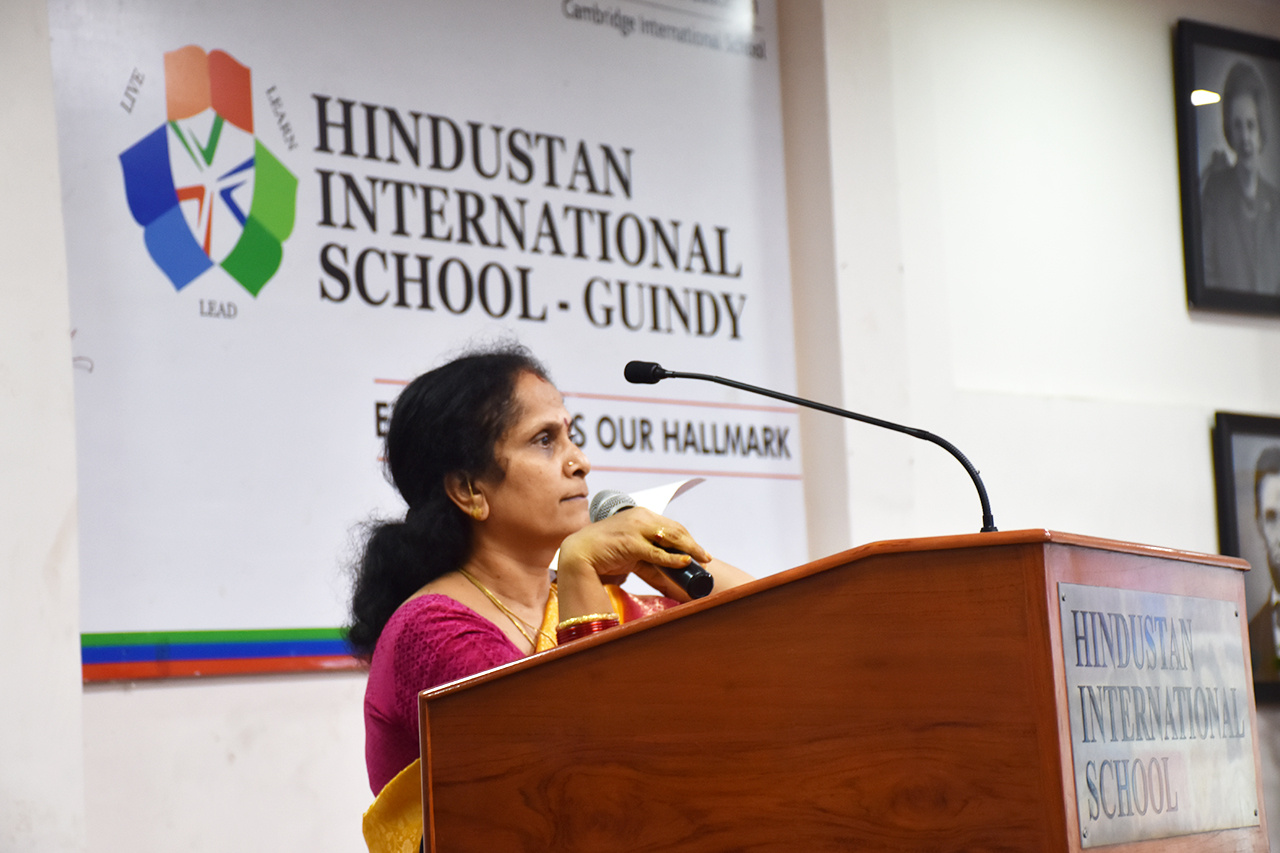
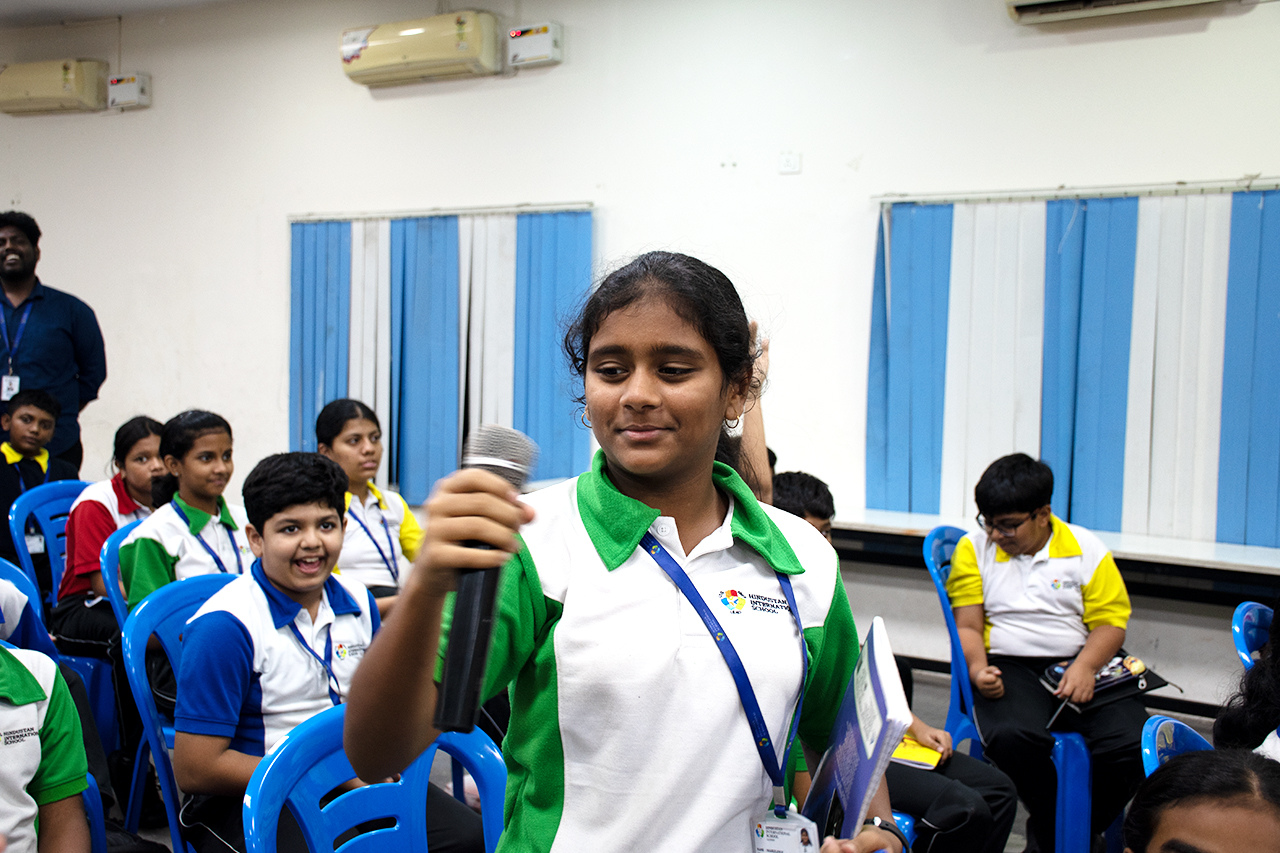
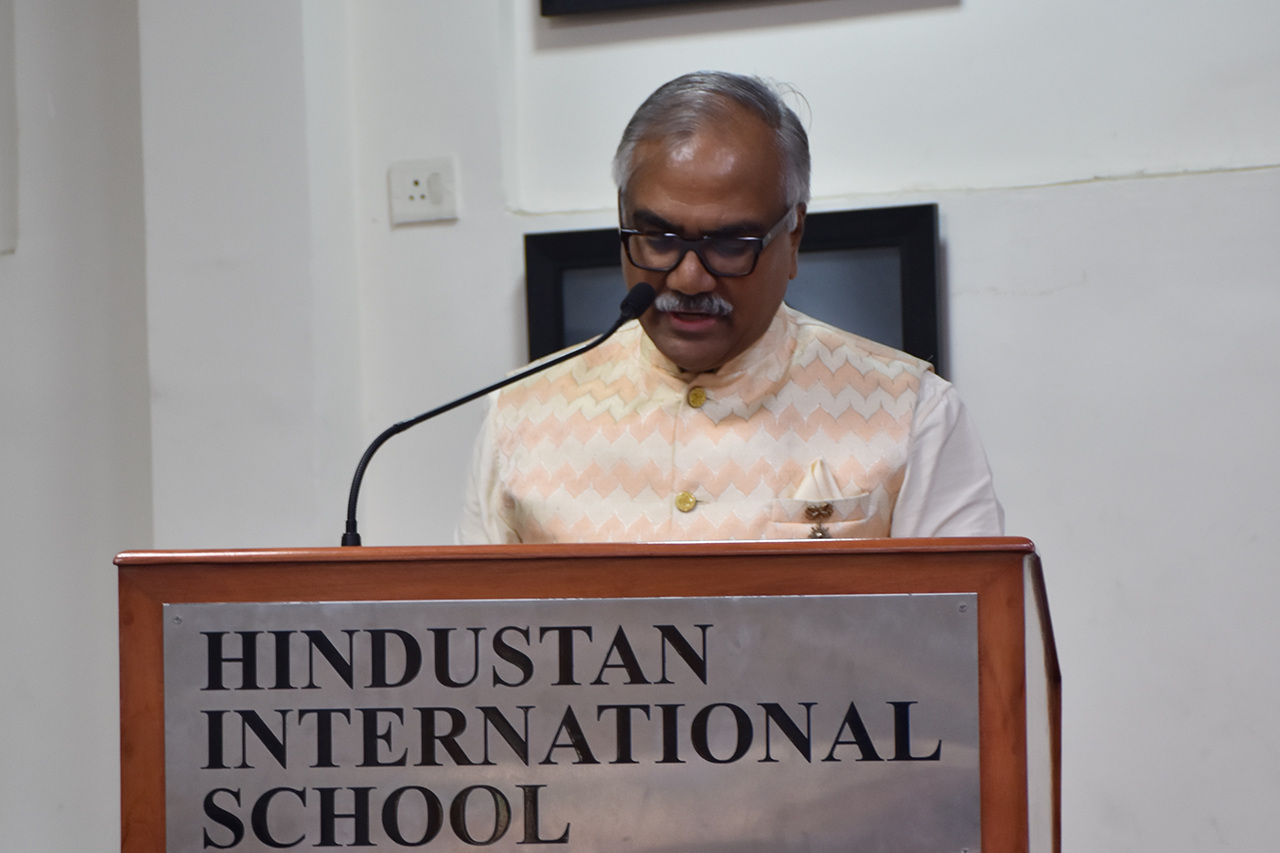
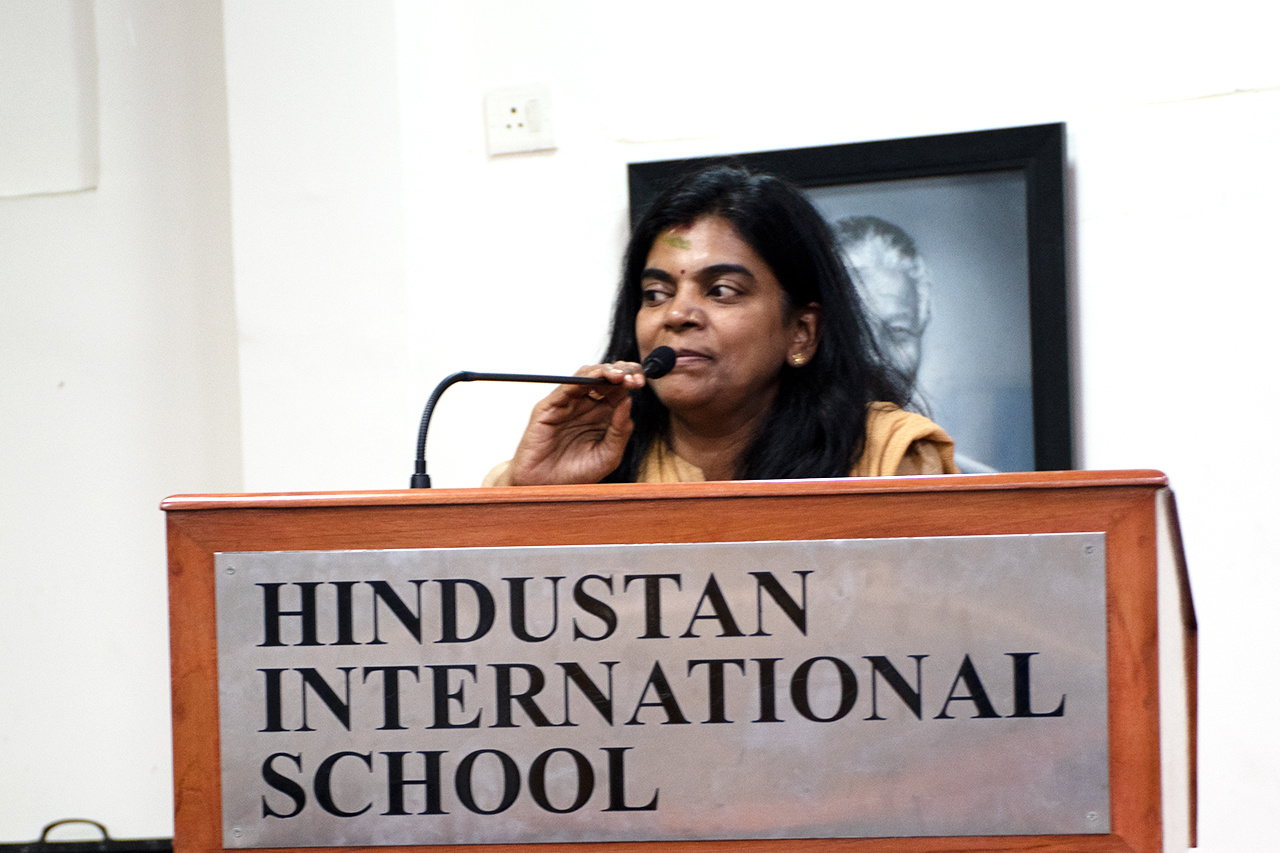
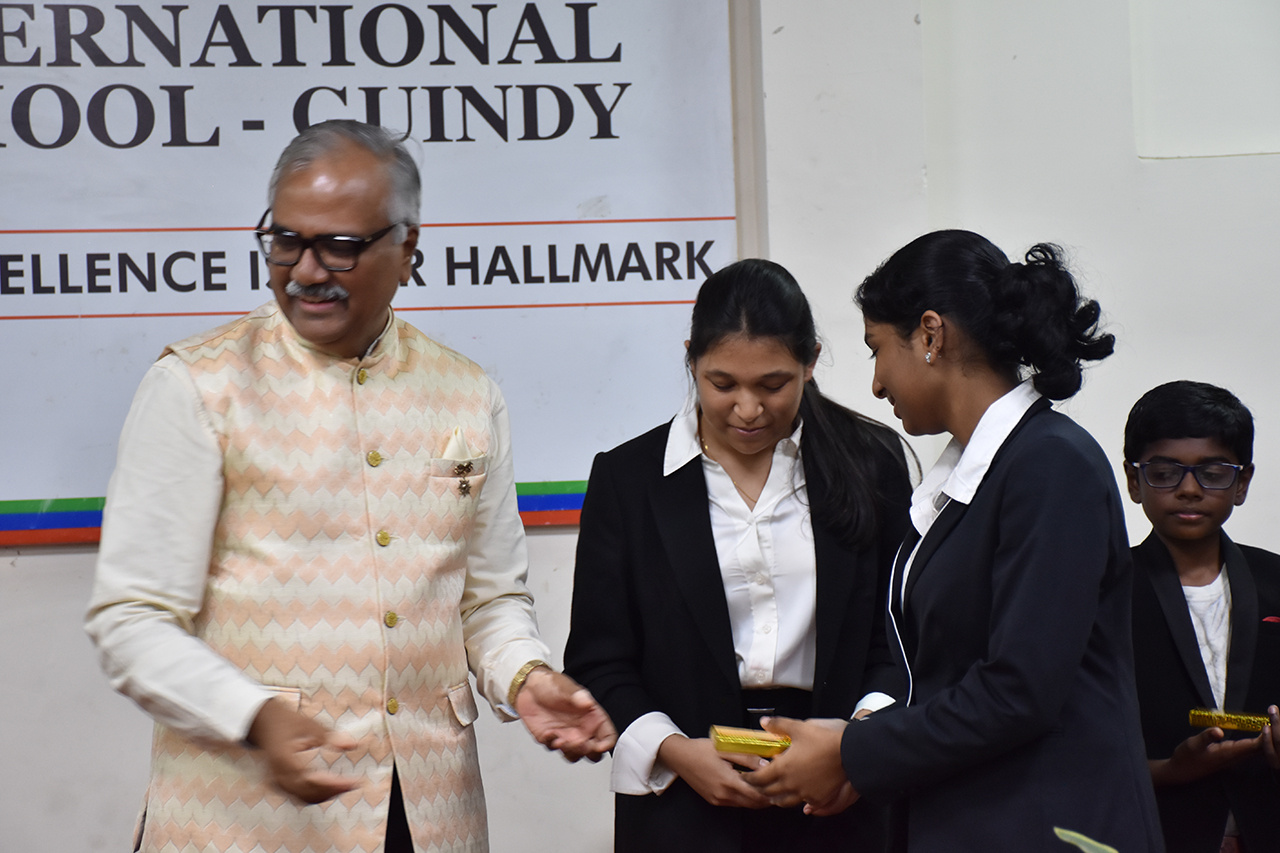
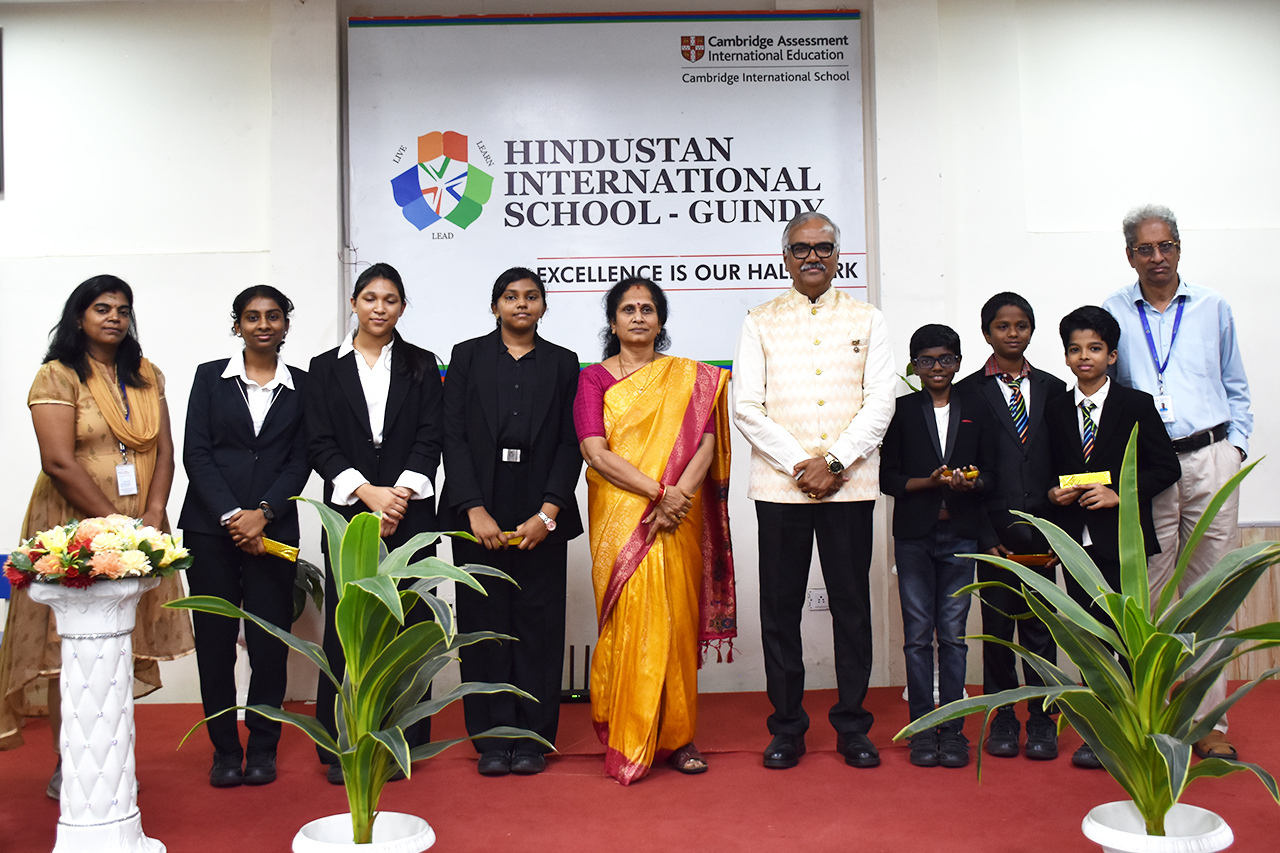
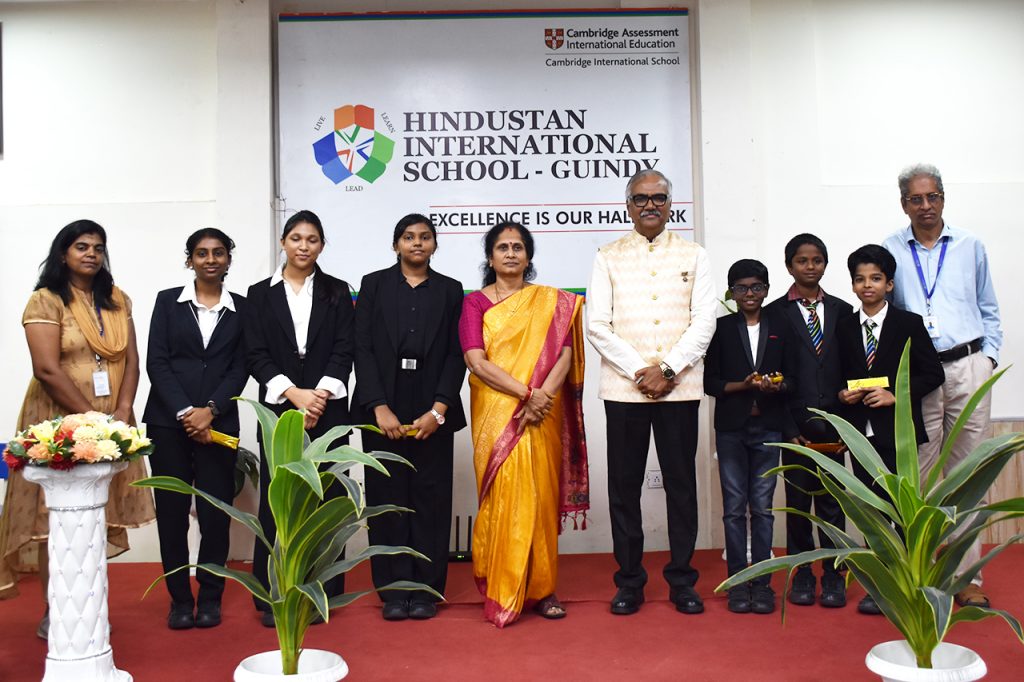
After the presentations, the audience actively participated in a question-and-answer session, demonstrating curiosity and engagement with the topics shared.Our sincere thanks to our Chairman Dr.Anand Jacob Varghese who gave an opportunity to conduct the programme.Also our gratitude to Leftenant general Bobby Mathews who seamlessly supported us for the event.The event was graced by our DeenMr.Johnson Mathew and PrincipalDr. C. K. Lalli. They both appreciated the hard work, confidence, and clarity shown by the presenters.All participants were awarded gifts in recognition of their efforts.The programme concluded with a sincere Vote of Thanks by Ms.Priya who expressed gratitude to the guests, teachers, and students for their support and participation.
Participants
- Students: Grade 6 – 9
- Teachers :7
- Total Participants: 50
- Challenges and Highlights
- Challenges Faced During the Presentation
- Coordination and Time Management
Ensuring smooth transitions between presenters and keeping to the allotted time was challenging, especially with multiple topics and speakers. - Research Difficulty
Some students found it challenging to collect accurate and age-appropriate information about Japan’s history, economy, and governance. - Pronunciation of Japanese Terms
Several presenters struggled with correctly pronouncing Japanese names, places, and cultural terms. - Confidence and Stage Fear
A few students felt nervous speaking in front of the audience, especially during the Q&A session. - Technical Issues
Managing slide transitions, audio, and visuals occasionally caused small delays during the presentation. - Balancing Content
Students found it challenging to summarise large topics like Japanese literature, history, and economy into short, understandable segments. - Audience Interaction
Encouraging the audience to ask questions and ensuring that presenters answered confidently required extra effort.
Educational Outcomes
Improved Research Skills
Students learned how to gather information from reliable sources and select key points relevant to their assigned topic.
Enhanced Presentation Skills
Learners developed confidence in public speaking, organizing slides, and explaining content clearly to an audience.
Deeper Cultural Understanding
Students gained knowledge about Japan’s geography, history, people, culture, economy, and governance, broadening their global awareness.
Teamwork and Collaboration
Working together on different topics taught students how to coordinate, support one another, and maintain a smooth programme flow.
- Critical Thinking
Presenters learned to analyse information, compare systems (like governance and economy), and answer questions from the audience effectively. - Exposure to Global Diversity
Understanding the customs, arts, sports, and traditions of Japan helped students appreciate cultural diversity and global citizenship. - Technological Skills
Students improved their ability to use digital tools for creating slides, visuals, and structured presentations. - Communication Skills
Both presenters and audience participants practiced active listening, questioning, and responding respectfully. - Confidence Building
Presenting in front of peers, teachers, and guests strengthened students’ self-confidence and stage presence.
Conclusion
The country presentation on Japan proved to be an enriching and engaging learning experience for all students. Each presenter showcased dedication, creativity, and confidence while sharing well-researched information on their assigned topics. The programme not only deepened the students’ understanding of Japan’s culture, history, economy, and governance but also strengthened essential skills such as teamwork, communication, and critical thinking. The enthusiastic participation of the audience, along with the encouragement from the Chief Guest and Principal, made the event even more meaningful. Overall, the presentation successfully fulfilled its objective of promoting global awareness and enhancing academic growth among the learners..
Acknowledgement:
We extend our heartfelt gratitude to everyone who contributed to the success of the country presentation on Japan.
We sincerely thank our Chief Guest, Mr. Deen Johnson Mathew, for gracing the occasion and encouraging the students with his motivating words. Our special thanks to our Principal, Dr. C. K. Lalli, for her continuous guidance and support in organizing this programme.
We also appreciate the dedicated efforts of all the teachers who mentored the students and helped them prepare their presentations. A warm thank you to the students for their hard work, enthusiasm, and teamwork, which made the event truly informative and engaging.
We are grateful to the audience for their active participation and thoughtful questions that enriched the learning experience. Finally, we acknowledge the support of the school management and staff for providing the facilities and environment needed to conduct this programme successfully.