
Growth Mindset and Adolescent Psychology
Topic : Growth Mindset and Adolescent Psychology
Date : Monday, 12th October 2026
Timing : 1.30 pm – 03.00 pm
Resource Person: Dr. Vijayalaksmi Praveen
Attendees: A l l Educators of HISTAR to A Level
Venue: HISG- Hall of Fame
Introduction
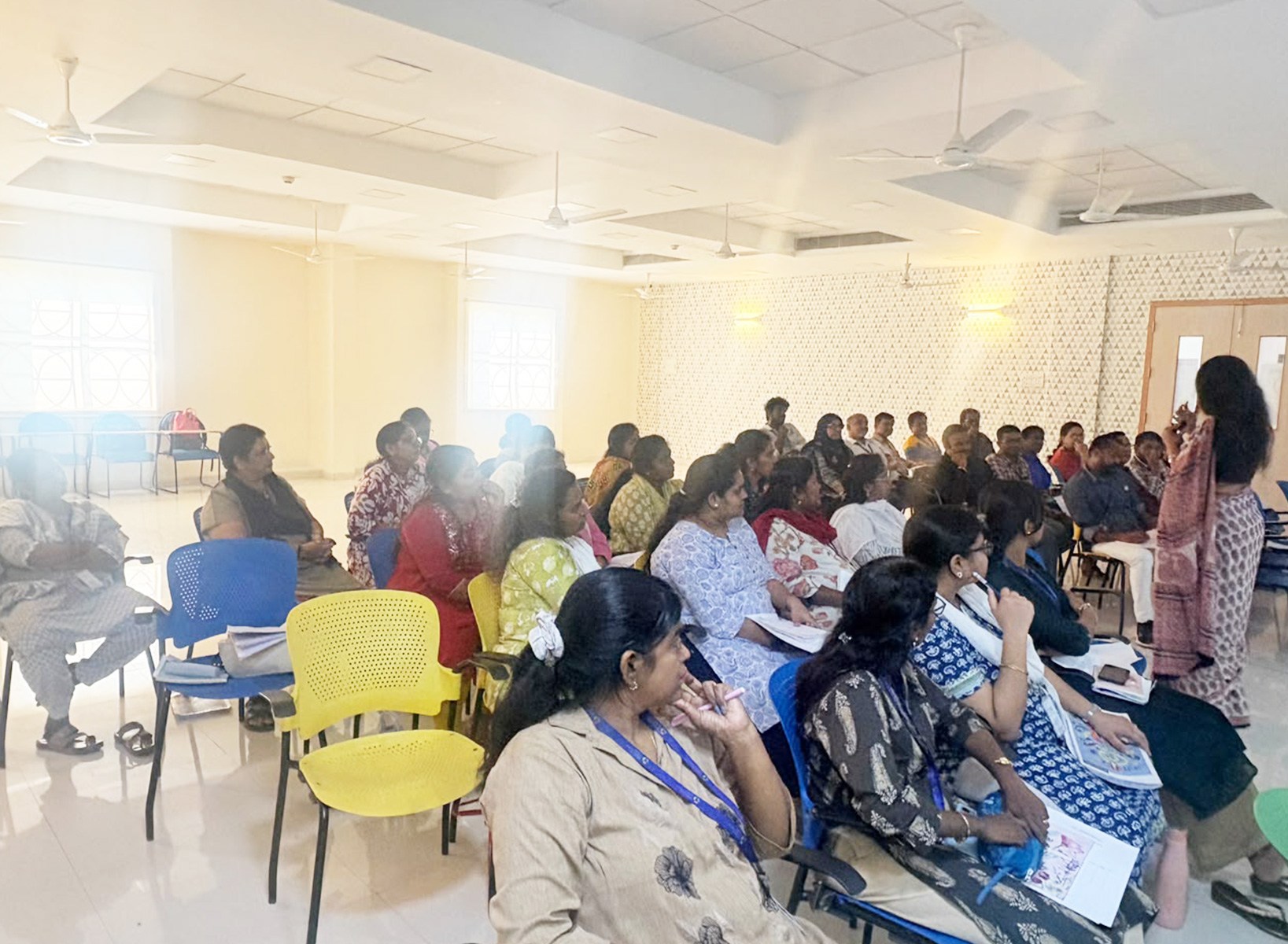
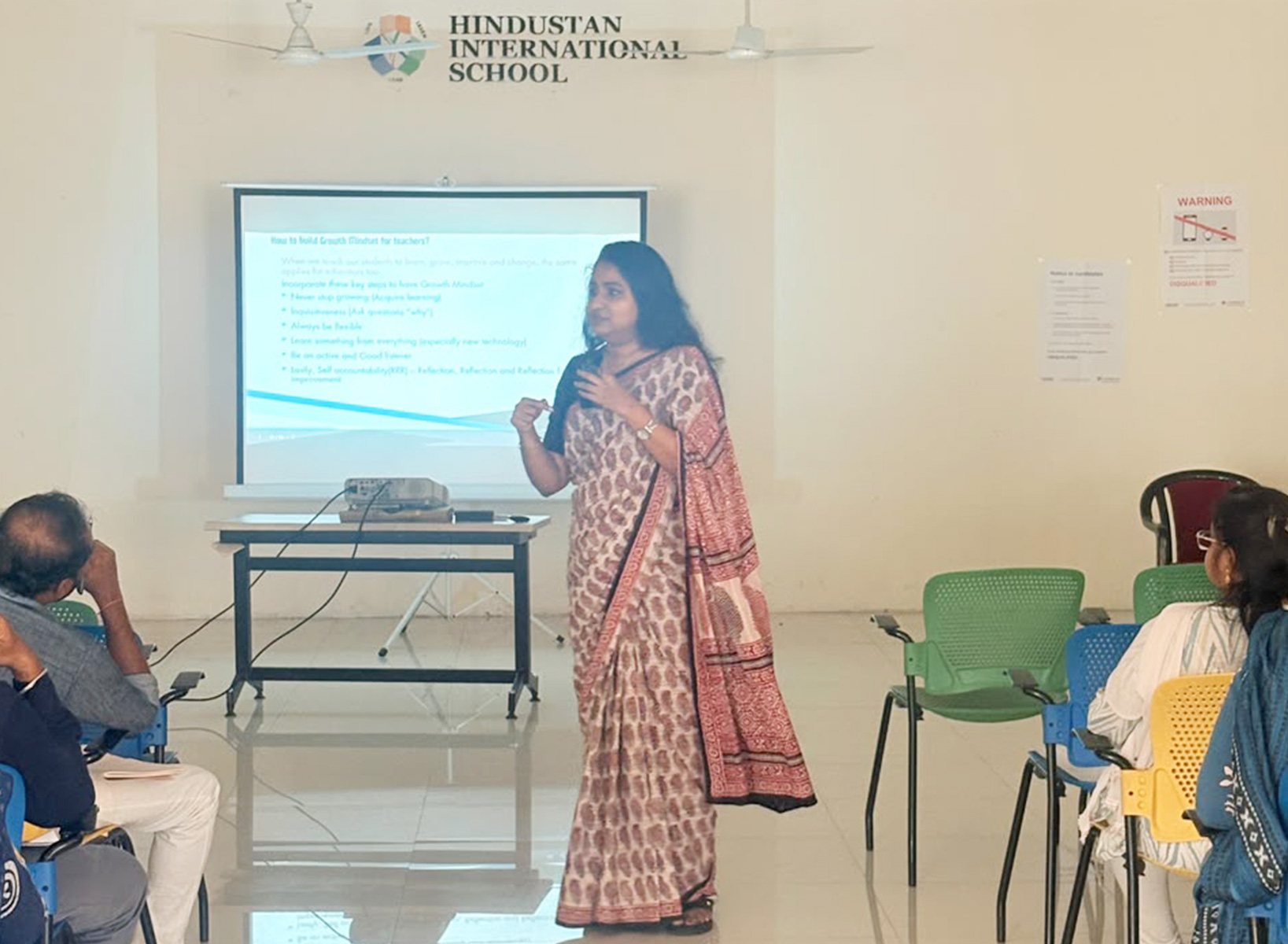
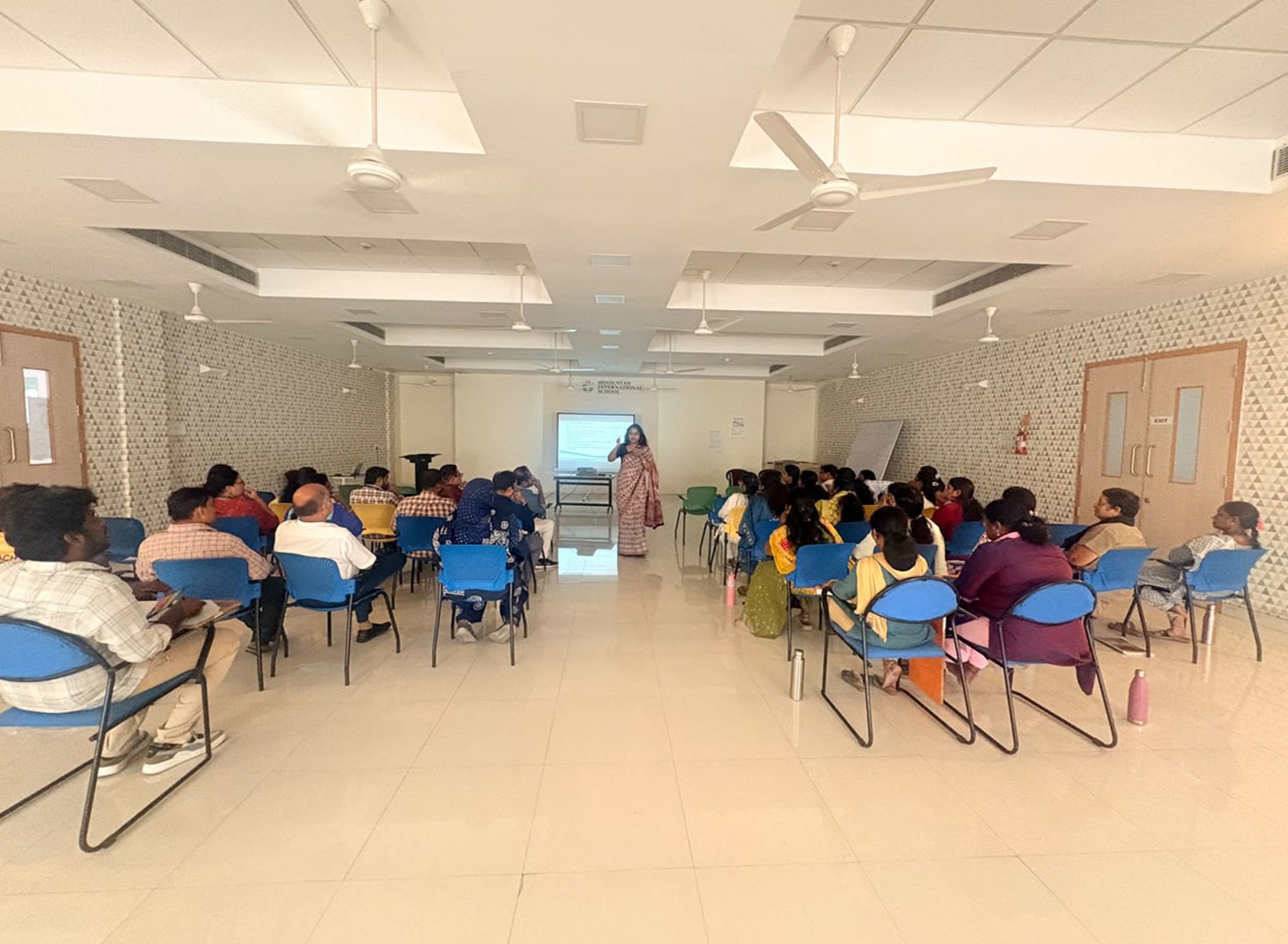
A professional development session on “Growth Mindset and Adolescent Psychology” was conducted by Dr. Vijayalakshmi to help educators understand how students think, learn and develop during adolescence. The session highlighted the importance of a teacher’s mindset, supportive classroom practices and an understanding of adolescent development in creating a positive learning environment.
Objectives
- To distinguish between fixed and growth mindsets and encourage a culture of continuous improvement.
- To identify classroom strategies that build perseverance, confidence and a willingness to learn from mistakes.
- To understand the physical, emotional, social and cognitive changes associated with puberty and adolescence.
- To explore key developmental theories and apply them when supporting adolescent learners.
Key Focus Areas
1. Fixed Mindset and Growth Mindset
A fixed mindset is the belief that intelligence and abilities are largely unchangeable. Learners with this outlook may avoid challenges or see mistakes as evidence of failure. A growth mindset is the belief that abilities can develop through effort, effective strategies, feedback and support.
2. Building a Growth Mindset in Teachers and Classrooms
Teachers can develop a growth mindset by reflecting on their practice, welcoming feedback, trying new strategies and viewing challenges as opportunities to improve. In the classroom, educators can praise effort, strategy and progress; set achievable but challenging goals; model how to learn from errors; provide specific, constructive feedback; and encourage students to explain what they tried and what they could change. A safe classroom culture helps learners ask questions, take appropriate risks and persevere.
3. Impacts of Puberty
Puberty brings physical changes alongside hormonal, emotional and social adjustments. Adolescents may experience changes in sleep patterns, mood, body image, self-consciousness, peer relationships and the need for independence. These experiences vary from learner to learner. Teachers can respond with sensitivity, respect for privacy, clear routines and age-appropriate guidance, avoiding embarrassment or comparisons.
4. Erikson’s Psychosocial Stages
Erikson described development as a series of psychosocial stages. The stage most closely associated with adolescence is Identity vs. Role Confusion, in which young people explore their values, interests and sense of self. Supportive adults, opportunities for responsible choice and a sense of belonging can help learners develop a stronger identity.
5. Piaget’s Stages of Cognitive Development
Piaget proposed four stages: Sensorimotor (birth–2 years), Preoperational (2–7 years), Concrete Operational (7–11 years) and Formal Operational (about 11 years onward). During the formal operational stage, many adolescents become increasingly able to reason abstractly, consider hypotheses and think about possibilities. However, development differs between individuals, so teachers should use concrete examples as well as opportunities for analysis and independent reasoning.
6. The Prefrontal Cortex and Amygdala
The prefrontal cortex supports planning, decision-making, attention, impulse control and consideration of consequences; these abilities continue to mature into young adulthood. The amygdala helps process emotionally significant information, including fear and threat. Because emotion and self-regulation can be challenging during adolescence, calm adult responses, predictable expectations and time to reflect can support better decisions.
7. Marcia’s Four Identity Statuses
James Marcia described identity status through exploration and commitment: Identity Diffusion (limited exploration and commitment), Foreclosure (commitment without much exploration), Moratorium (active exploration with commitment still developing) and Identity Achievement (commitments made after exploration). These are useful ways to understand identity development, not labels to fix on students.
8. Handling Adolescent Learners
- Build respectful relationships and listen without dismissing students’ concerns.
- Set clear, consistent boundaries while offering appropriate choice and responsibility.
- Use active learning, discussion, problem-solving and real-life connections to engage learners.
- Give private, specific feedback and recognise effort, improvement and positive choices.
- Respond to behaviour calmly; help students reflect on consequences and practise self-regulation.
- Promote inclusion, peer respect and a sense of belonging, while following school safeguarding procedures when a concern arises.
Outcomes
The session reinforced that effective teaching involves understanding both learning and the learner. By modelling a growth mindset, providing constructive feedback and recognising the developmental needs of adolescents, teachers can create classrooms where students feel supported to explore their identities, manage challenges and make steady academic and personal progress.