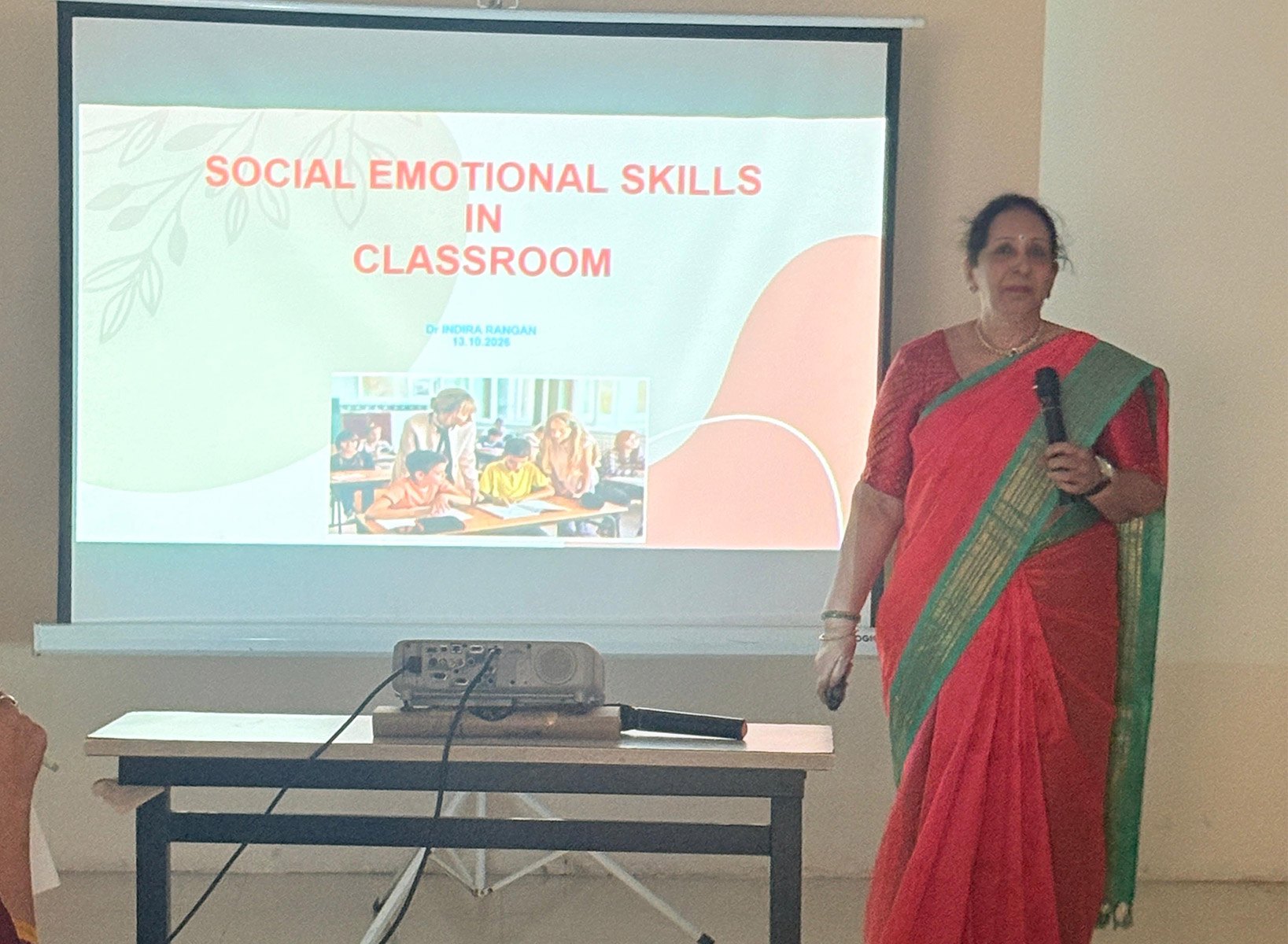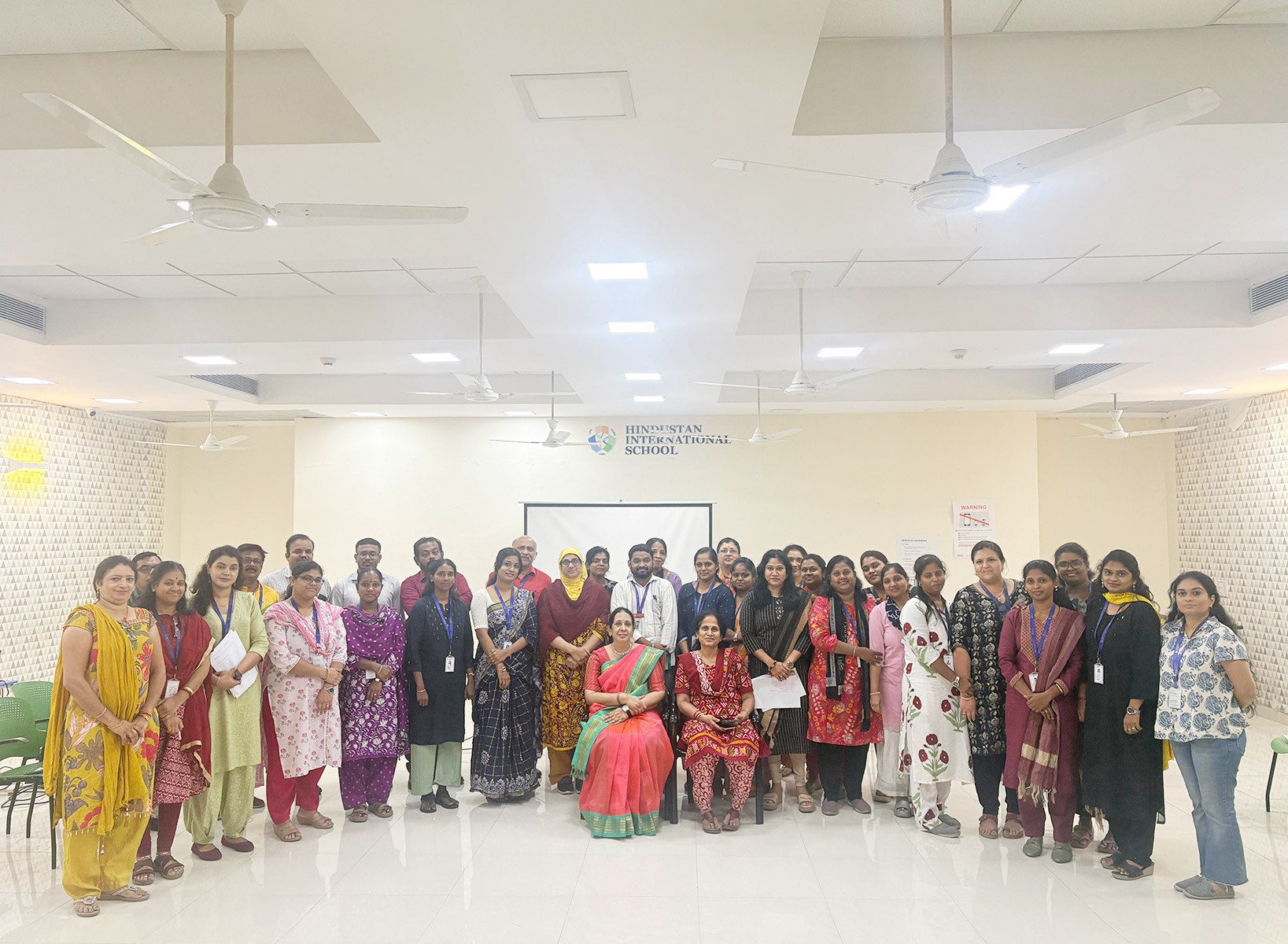
Social Emotional Learning with Ice-Breaking Activities
Date: Tuesday, 13th October 2026
Timing: 10.00 a.m. – 12.00 noon
Resource Person: Dr. Indra Rangan
Venue: Hindustan International School
Introduction
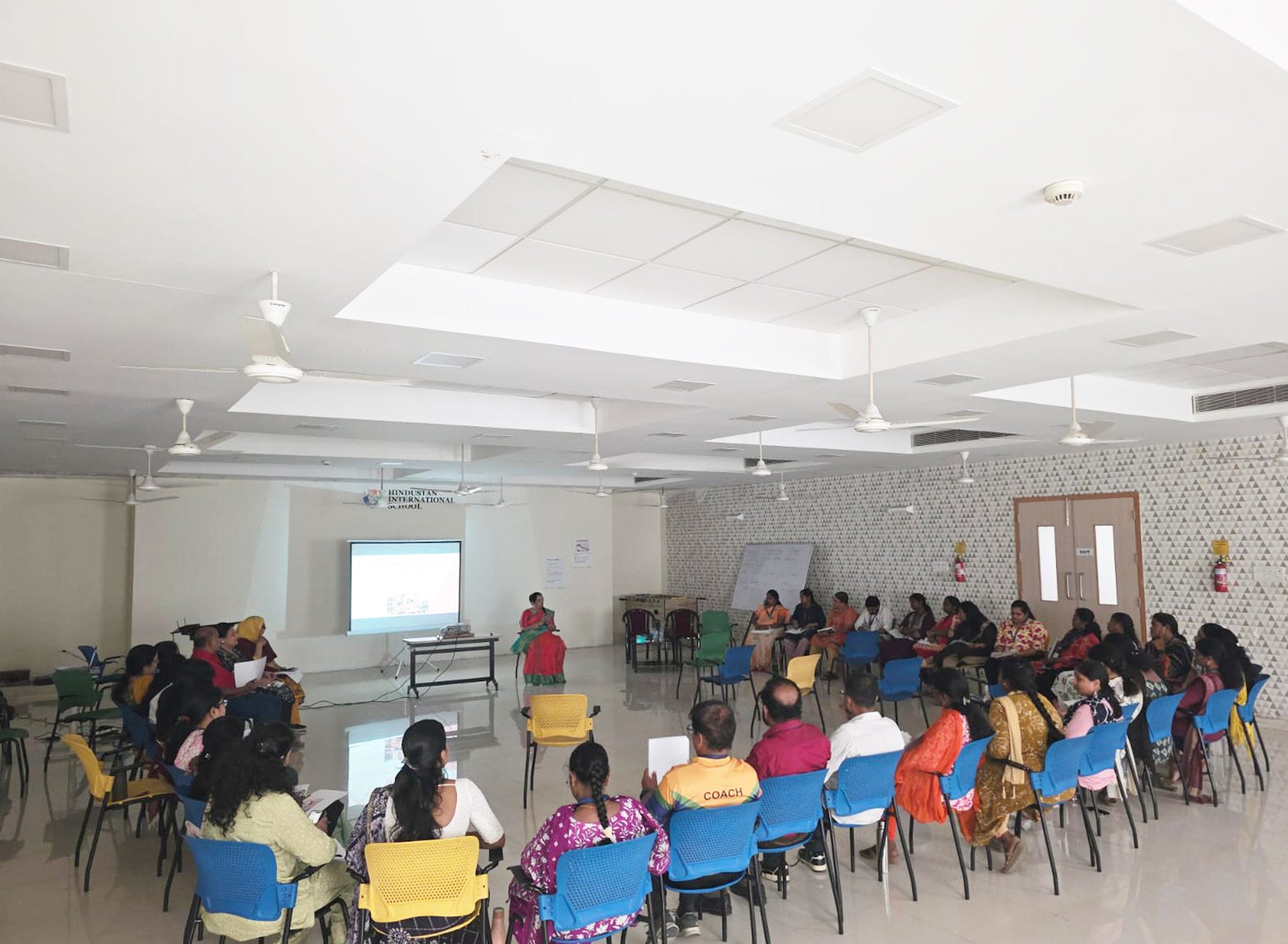
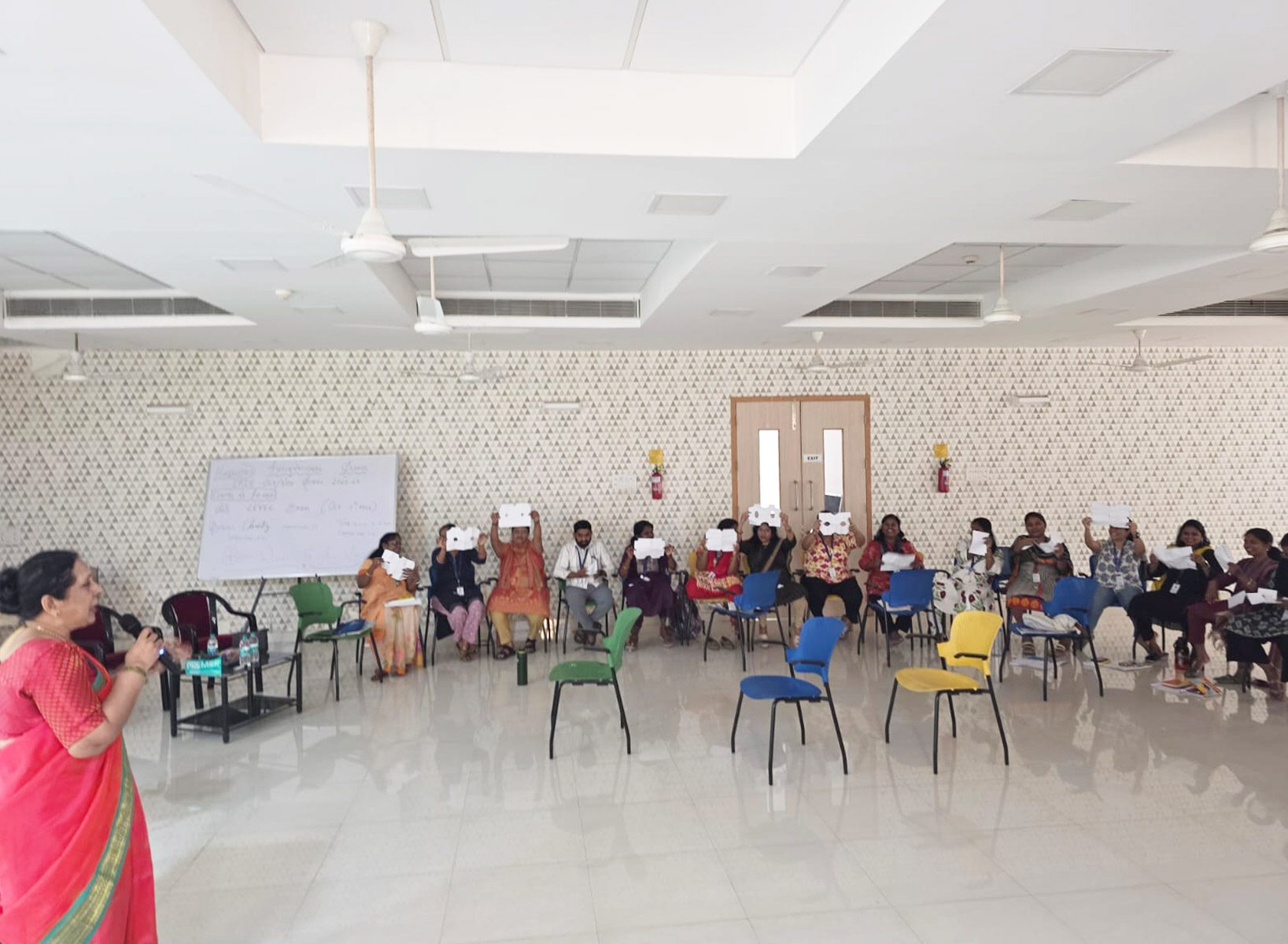
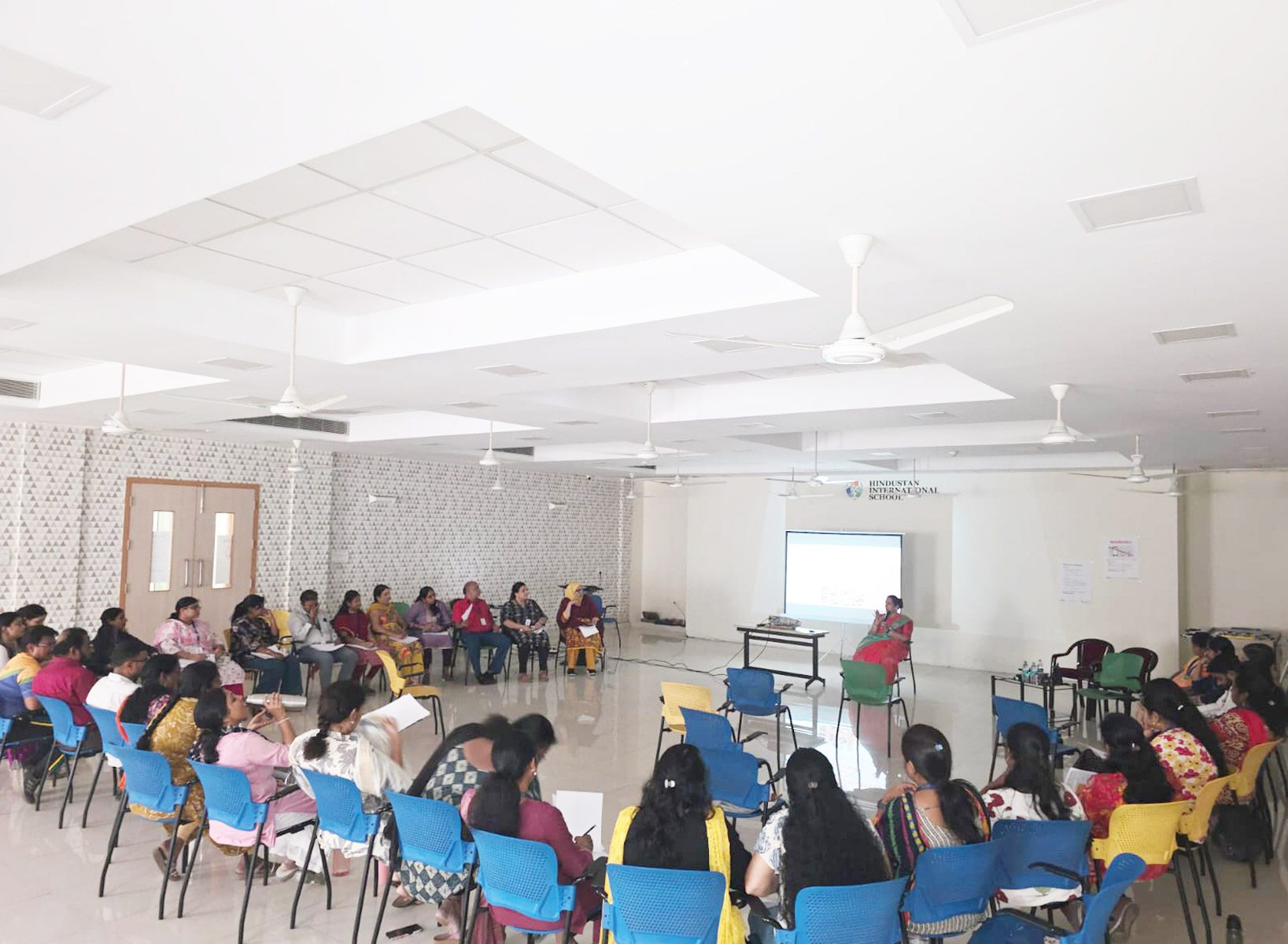
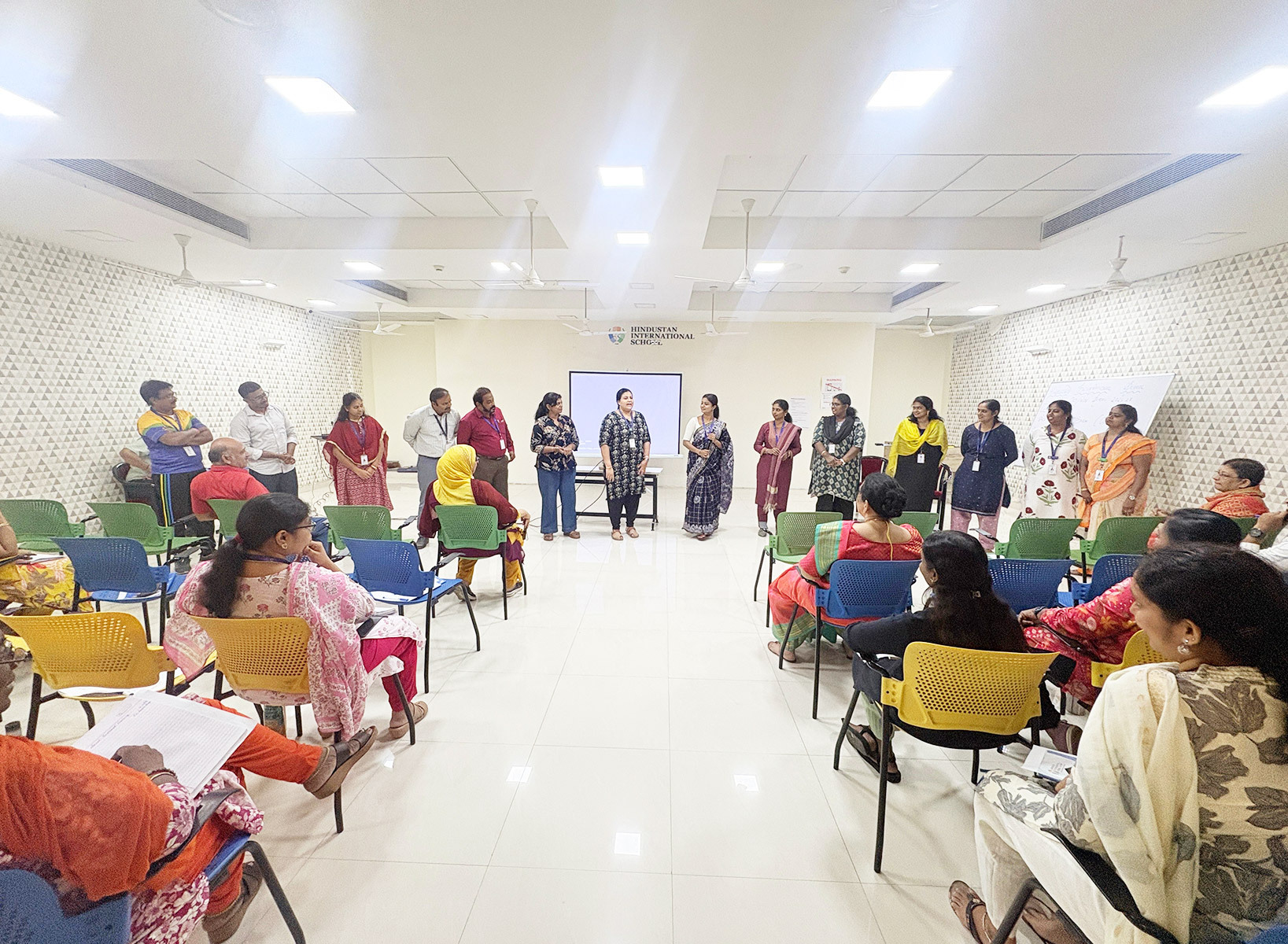
A professional development session on “Social Emotional Learning with Ice-Breaking Activities” was conducted by Dr. Indra Rangan on 13th October 2026. The session focused on the importance of social and emotional learning in creating a positive and supportive learning environment. It highlighted the role of interactive ice-breaking activities in encouraging communication, collaboration and positive relationships among learners.
Objectives
- To understand the importance of social and emotional learning in education.
- To explore ice-breaking activities that encourage interaction and participation.
- To promote effective communication, teamwork and mutual respect.
- To understand how engaging activities can help build confidence and a sense of belonging.
Key Focus Areas
- 1. Social and Emotional Learning
The session highlighted the importance of developing social and emotional skills that help learners understand their emotions, communicate effectively, build relationships and make responsible decisions.
- 2. Ice-Breaking Activities
Ice-breaking activities were explored as a means of encouraging interaction, helping participants feel comfortable and creating a welcoming environment for learning and collaboration.
- 3. Communication and Collaboration
The session emphasised the importance of active participation, listening to others, sharing ideas and working together to strengthen interpersonal relationships.
- 4. Creating a Positive Learning Environment
The importance of fostering an inclusive and supportive classroom environment was highlighted. Such an environment encourages learners to participate confidently, respect differences and develop positive relationships with their peers.
Outcomes
The session provided valuable insights into the importance of social and emotional learning and the role of ice-breaking activities in promoting interaction and collaboration. It encouraged educators to incorporate suitable interactive activities into classroom practices to strengthen communication, participation and a sense of belonging among students.