
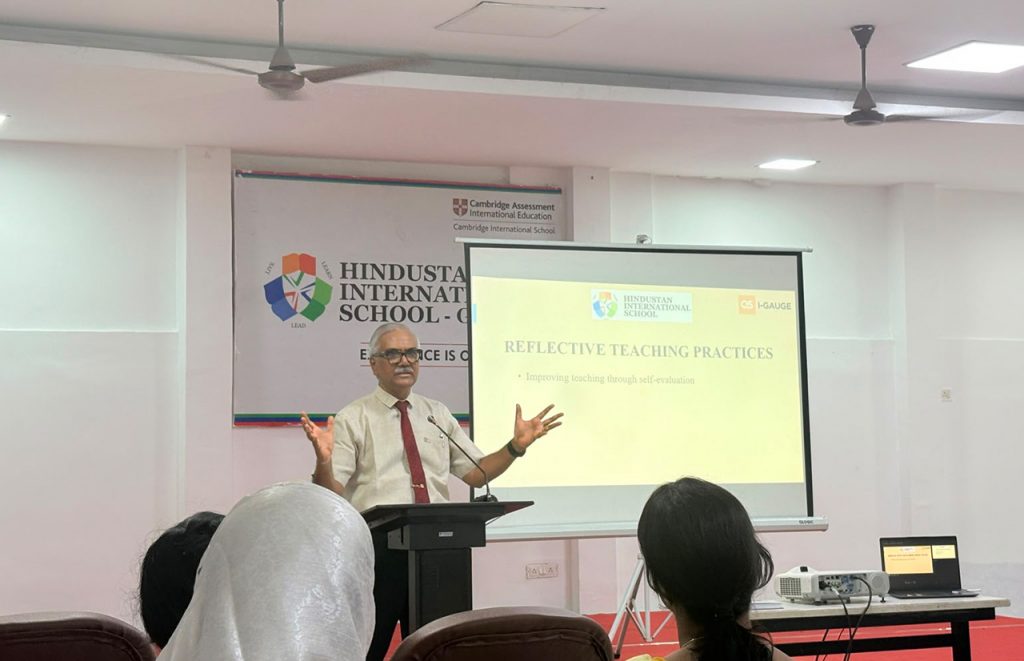
Reflective Teaching Practices
Resource Person: Mr. Johnson Mathew, Dean Academics, Hindustan International School
Topic: Reflective Teaching Practices
Venue: Hindustan International School, Guindy
Date: 27 May 2026
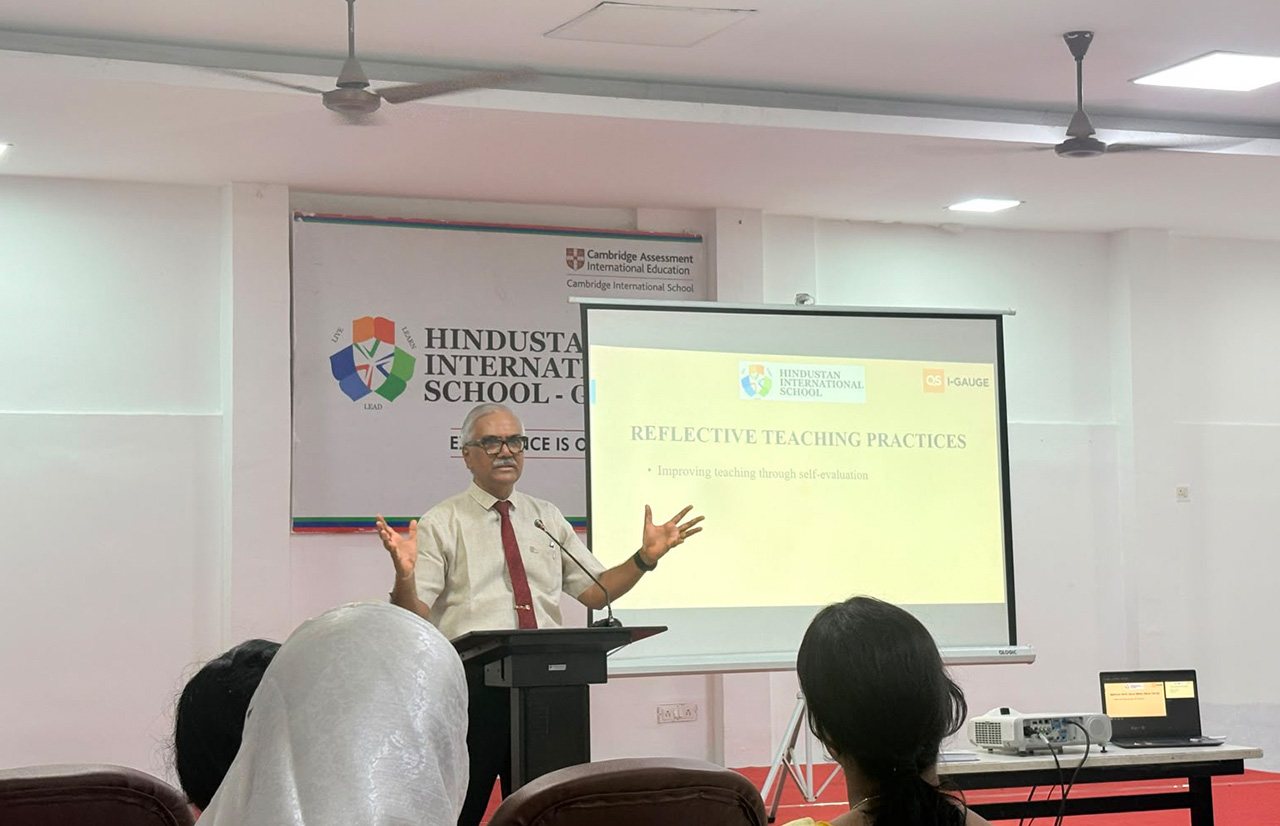
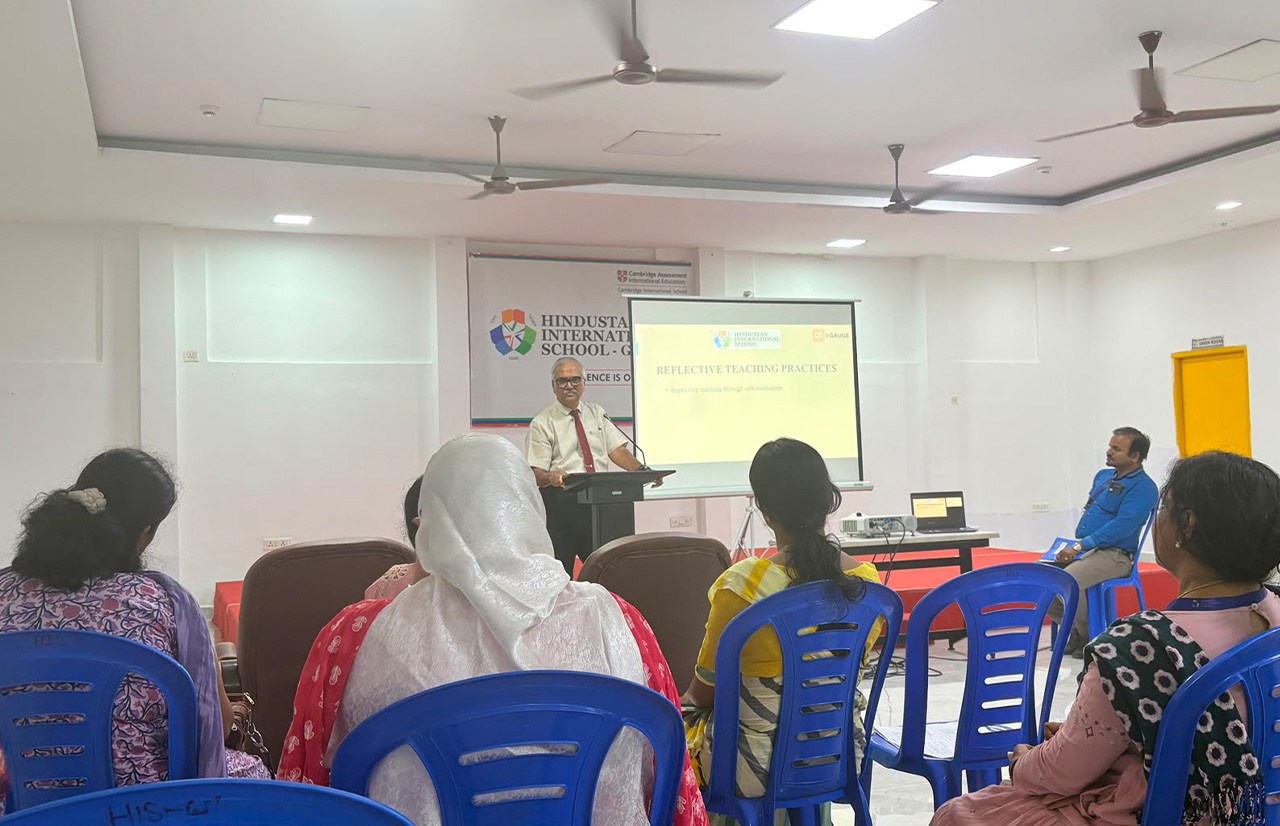
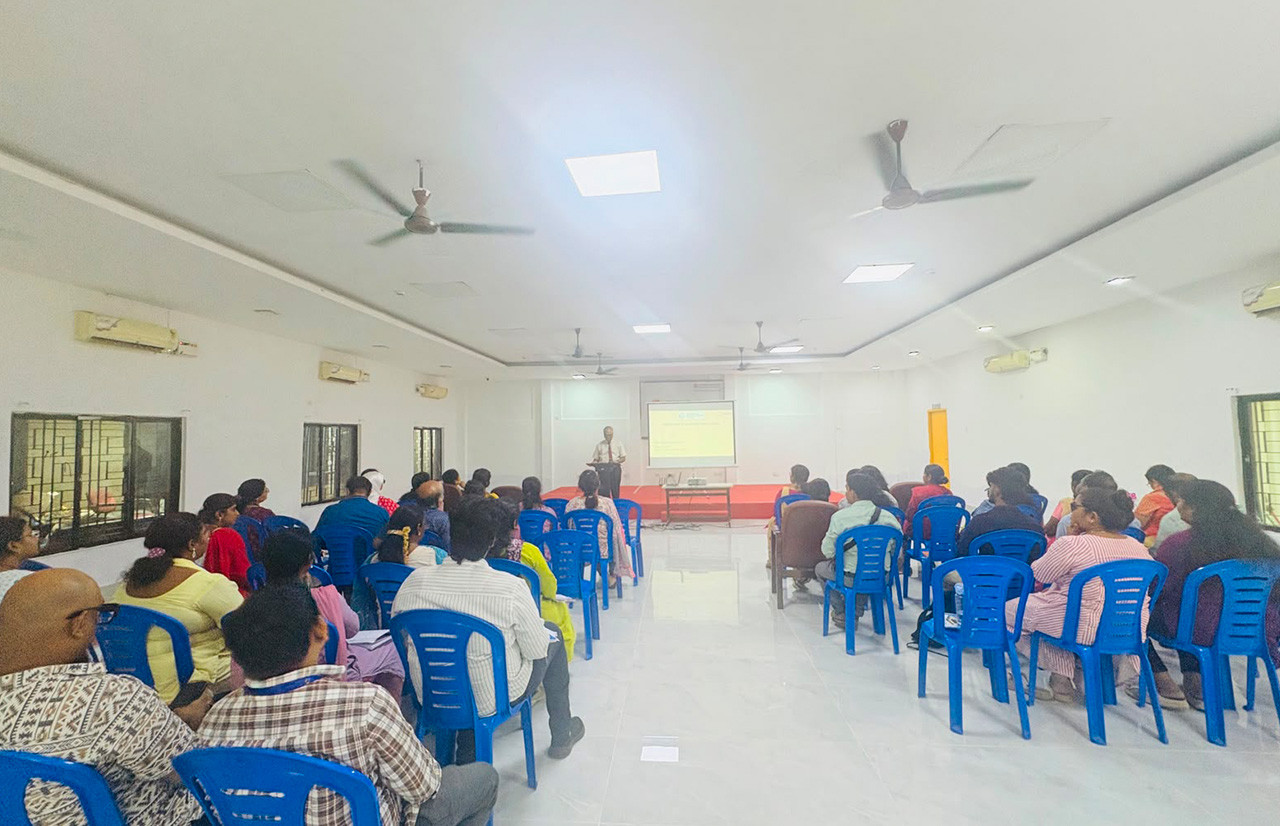
A highly informative session on Reflective Teaching Practices was conducted by Mr. Johnson Mathew, Dean Academics, as part of the induction programme for educators. The session focused on the importance of self-reflection in enhancing teaching effectiveness and promoting continuous professional growth.
The session began with an introduction to the concept of reflective teaching, emphasizing the need for educators to engage in continuous self-evaluation, learn from their classroom experiences, and adapt their teaching methods to meet the diverse learning needs of students. Participants were encouraged to view reflection as an ongoing process that supports both personal and professional development.
Mr. Johnson highlighted the significance of reflective teaching in improving the overall quality of instruction. He explained how regular reflection helps educators identify strengths and areas for improvement, leading to better student engagement and improved learning outcomes. The session reinforced the idea that effective teaching is a dynamic process that requires constant refinement and adaptation.
Various reflective practices were discussed, including self-assessment, gathering student feedback, and peer observation. These strategies were presented as valuable tools for gaining insights into classroom effectiveness and identifying opportunities for growth. The resource person also introduced practical tools that educators can use for reflection, such as teaching journals, assessment analysis, worksheets, and digital resources. These tools enable teachers to systematically review their instructional practices and make informed decisions for future lessons.
A key aspect of the session focused on the role of questioning in the classroom. Effective questioning techniques were highlighted as a means to assess student understanding, identify learning gaps, and encourage critical thinking among learners.
The session concluded with a discussion on continuous improvement. Educators were encouraged to regularly identify learning gaps, reteach concepts when necessary, and update their teaching strategies based on reflective insights. The central message of the session was encapsulated in the principle: “Reflect → Improve → Excel.”



Comments are closed, but trackbacks and pingbacks are open.